
Official licensed training at the courses of polygraph examiners of NAPU
Choosing a place of study – is the #1 question for those who start a profession
We advise you to spend 10 minutes on this page so you won’t waste years later.

We set the standard of the profession in Ukraine.
We combine the official education, real practice and professional support after graduation.
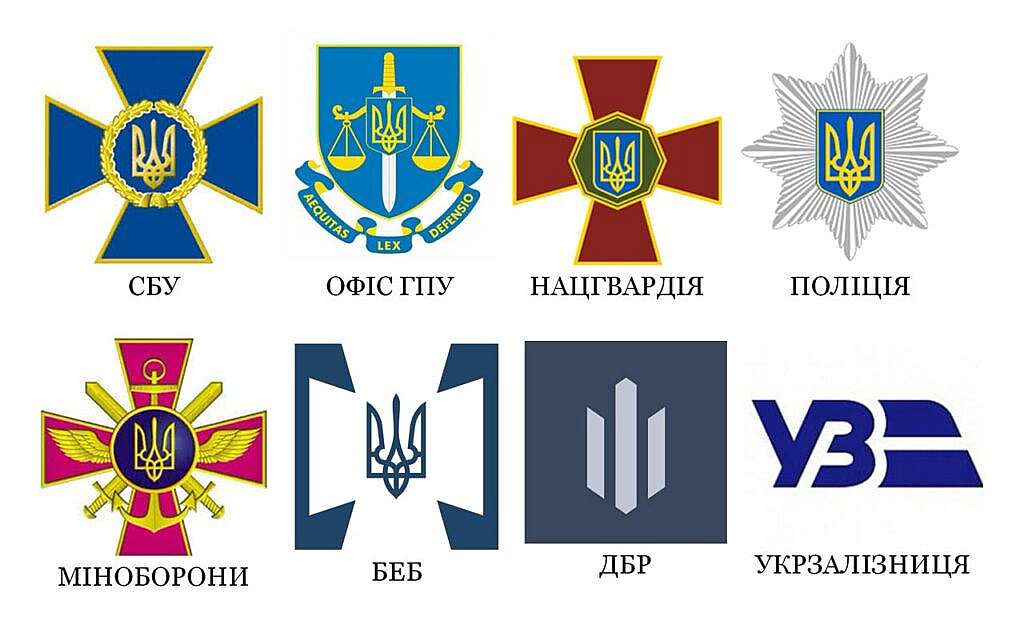
Since 2015, we have trained 300+ polygraph examiners, in particular for the Armed Forces of Ukraine, the National Guard, the Prosecutor’s Office, the National Police, the Security Service of Ukraine, the State Bureau of Investigation, “Ukrzaliznytsia”, the Bureau of Economic Security, the Agrarian Fund of Ukraine, the Kyiv Institute of Forensic Expertise and a large number of private corporations
PROBLEMS OF TRAINING IN OTHER CENTERS, COLLEGES, ASSOCIATIONS
"Beware of false knowledge; it is more dangerous than ignorance" (Bernard Shaw)
Today, there are a significant number of training centers and communities in Ukraine that offer training of polygraph specialists.
For individuals who are only considering a professional career in the field of polygraph examinations, navigating this wide range of educational offers is often challenging and requires a well-considered approach.
Attention!
Don’t let yourself being misled!
Practice shows that some students make decisions based on attractive marketing materials, pseudoscientific titles, or textbooks, which are not always supported by a proper educational program, a sufficient level of practical training, or the real professional experience of instructors.
- Be cautious of programs that claim to train polygraph examiners in just 3–4 weeks.
- Be cautious of those who teach only 1 method and work with a single polygraph model.
- Be cautious of institutions that provide training in Kyiv but issue diplomas from universities in Odesa or other cities.
We offer the most comprehensive international educational program in Ukraine, lasting 6 weeks and totaling 255 academic hours (8.5 ECTS credits).
POLYGRAPH EXAMINER – a profession that was officially approved in 2010 in the National Classifier of Ukraine “Classifier of Occupations” (occupation code 2490) and requires training at a higher education institution with the subsequent issuance of a state-recognized educational document.
THE PROFESSIONAL STANDARD “POLYGRAPH” – was approved in 2025 by the National Qualifications Agency of Ukraine. NAPU was selected as the authorized body to resolve discrepancies identified during the development of the standard, which confirms our highest level of professional expertise in Ukraine.
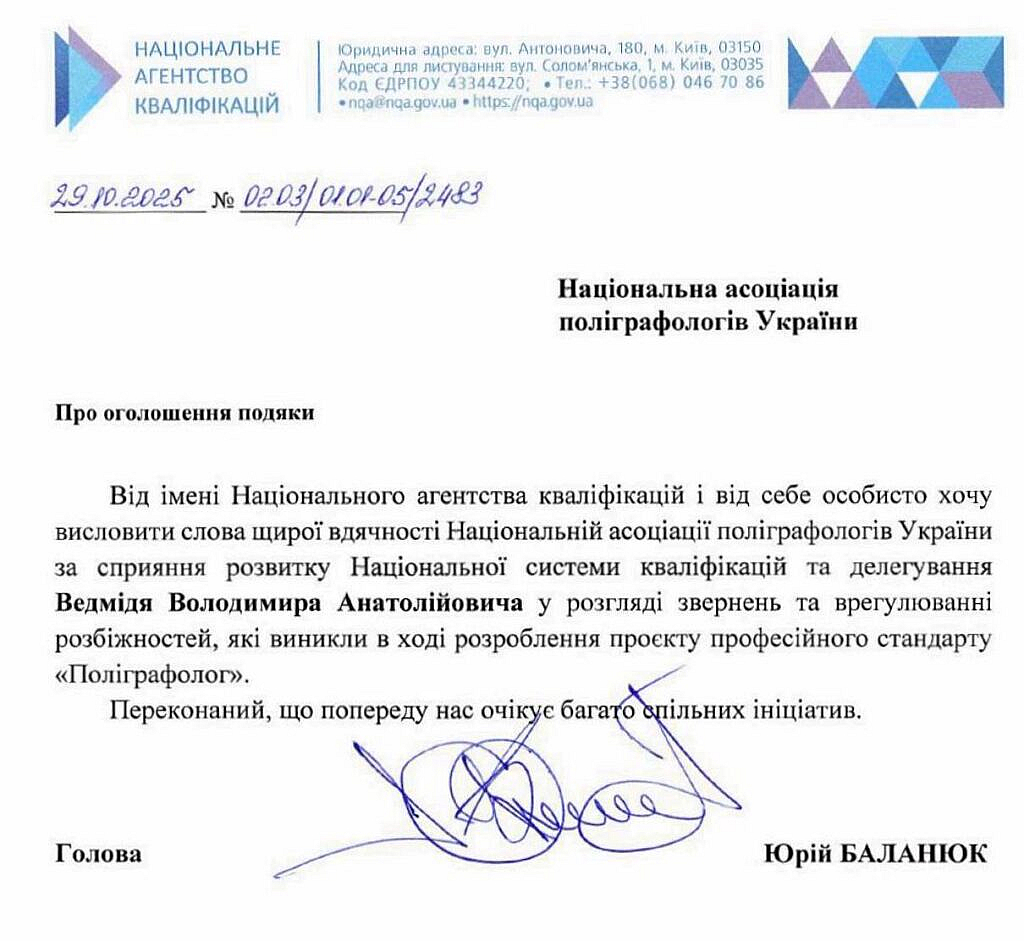
Our educational program is the only one that fully integrates both international and Ukrainian standards.
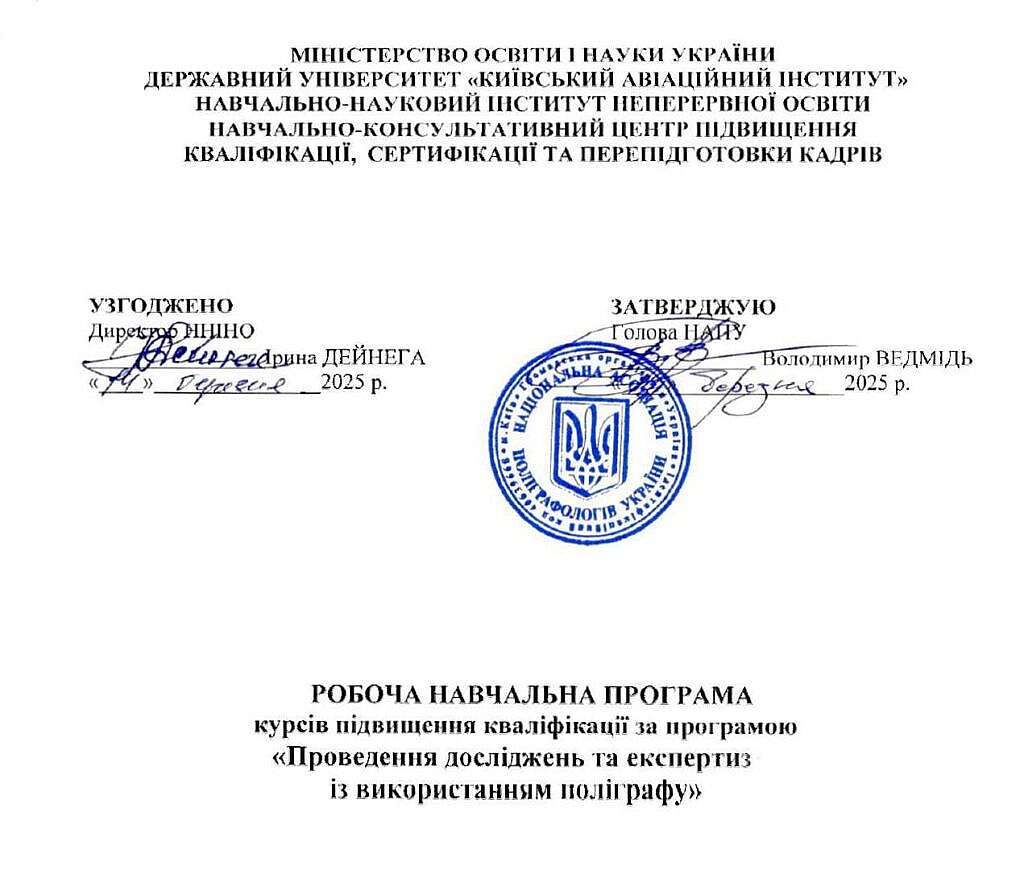
Training of polygraph examiners is conducted in partnership with the National State University “Kyiv Aviation Institute.”
Our curriculum provides a detailed description of the educational process, academic distribution of subjects, and compliance with state and international standards.
Link to the program:
Are you interested in the profession of “polygraph examiner”?
Leave a request and learn more.
7 REASONS TO COMPLETE OFFICIAL TRAINING AT NAPU
Reason №1 — teachers

Barko Vadym Ivanovych – Doctor of Psychological Sciences, Professor of the Department of Sociology and Psychology, Member of the Board of NAPU. In 1999, he graduated from the Academy of Legal Psychophysiology (USA, Florida, Largo).
Vadym Barko is the author of more than 25 scientific publications in the field of instrumental lie detection and is one of the most experienced polygraph examiners in Ukraine. He currently teaches at several universities across Ukraine.
He teaches leading U.S. polygraph methodologies in accordance with ASTM standards, including:
- Utah Comparison Question Technique (Utah CQT);
- IZCT — Integrated Zone Comparison Technique (N. Gordon Test);
- FZCT — Federal Zone Comparison Test;
- AFMGQT — The Air Force Modified General Question Test..
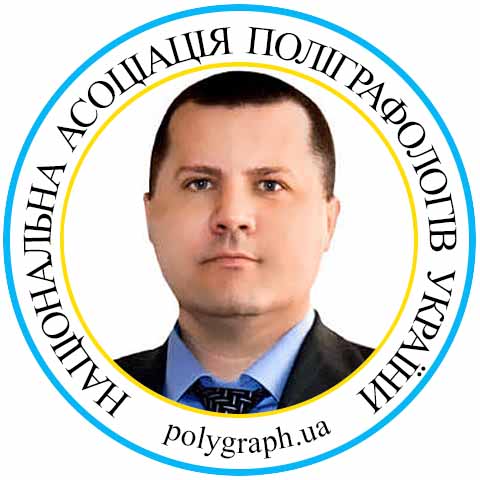
Lysenko Serhii Oleksiyovych – Doctor of Legal Sciences, Professor, Academician, Member of the Board of NAPU.
Since 2023, he has served as Director of the Institute of Security at the Interregional Academy of Personnel Management (IAPM).
Professor of the Department of National Security at the Institute of Security.
Head of the Center for Quality Control of Educational Services.
He teaches leading U.S. polygraph methodologies in accordance with ASTM standards, including::
- DLST – directed lie screening test;
- LEPET – law enforcement pre-employement test;
- Backster’s comparison zones technique;
- Matte test;
- MGQT – modified test of general questions.

Oleksii Yevhenovych Dubrovskiy – the founder of the National Association of Polygraph Examiners of Ukraine, Honorary President of the National Association of Polygraph Examiners of Ukraine, developer of the first Ukrainian polygraph and the proprietary RUBICON software, and a medical psychophysiologist.
He is widely recognised within the Ukrainian polygraph community as a highly skilled psychophysiologist who has achieved outstanding results in the training of polygraph examiners and in the implementation of advanced engineering and technical solutions during the development of RUBICON polygraphs and software.
As part of the training program, students are granted access to Oleksii Dubrovskyi’s video lectures on psychophysiology.
These lectures provide an in-depth explanation of the functioning of the central nervous system (brain structure and neuronal activity), conscious and unconscious processes (interhemispheric asymmetry), mental processes (perception, memory, attention, emotions, attitudes, and adaptation), the integration of mental processes (significance and meaning), and the correlation between mental and physiological processes.
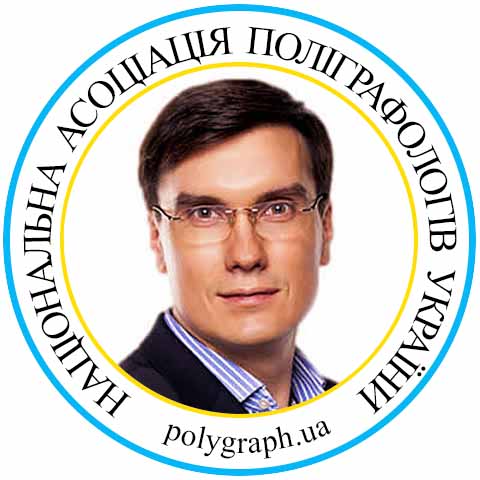 Vedmid Volodymyr Anatoliyovych – the founder of the National Association of Polygraph Examiners of Ukraine and the Chairman of the National Association of Polygraph Examiners of Ukraine (NAPU), Lecturer in Psychology at Odesa National University, expert polygraph examiner, and practicing lawyer.
He has been professionally active since 2014 and has conducted over 5,000 polygraph examinations.
He is a co-author of the NAPU methodology for conducting psychophysiological examinations using a polygraph and a co-author of the Draft Law of Ukraine “On Polygraph Activity.”
He teaches the legal and marketing foundations of conducting polygraph examinations.
Volodymyr Vedmid provides students with legal templates for all documents required in professional polygraph practice (voluntary consent forms, examination reports, contracts, and official records), outlines a marketing strategy for professional development, and offers clear guidance for starting entrepreneurial activity in the field.

Popov Dmytro Dmytrovych – PhD in Psychology, polygraph examiner, expert in psychodiagnostics and visual verification of deceptive behavior, is the Deputy Chairman of the National Association of Polygraph Examiners of Ukraine (NAPU).
He has been practicing as a psychologist since 1992. He previously taught at the Department of Psychology at KROK University and served as an Associate Professor in the Department of Psychology.
He regularly appears as an expert psychologist and polygraph examiner on Ukrainian television channels, including UNIAN, 1+1, 2+2, ICTV, Ukraine, Inter, Pryamyi, and STB.
He teaches the Peak of tension technique and its modification — the Concealed information technique (CIT).
D. Popov also teaches the basics of profiling.
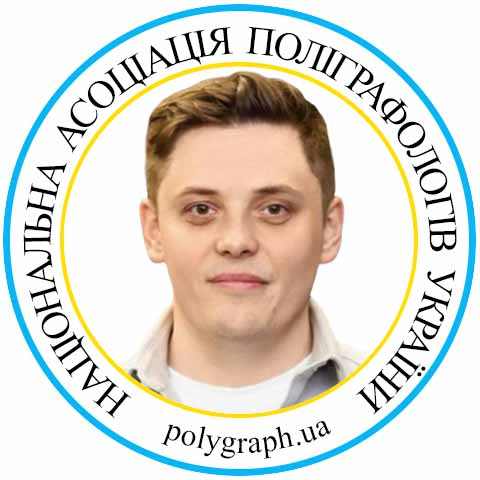
Yevhen Olehovych Puchkov – psychologist, expert polygraph examiner, and Head of the Training Center of the National Association of Polygraph Examiners of Ukraine (NAPU). He is the main coordinator of all organisational aspects of the training process.
He has conducted over 5,000 polygraph examinations and dozens of expert assessments using a polygraph. Between 2021 and 2025, he participated in the individual training of more than 50 polygraph examiners.
He teaches the method of neutral and relevant questions (MNRQ), the author of which is O. Dubrovsky.
This method is most commonly applied in screening examinations (pre-employment screening and testing of current personnel) and in resolving private matters. Yevhen Puchkov is responsible for ensuring that students acquire practical skills in operating polygraph equipment and related software.
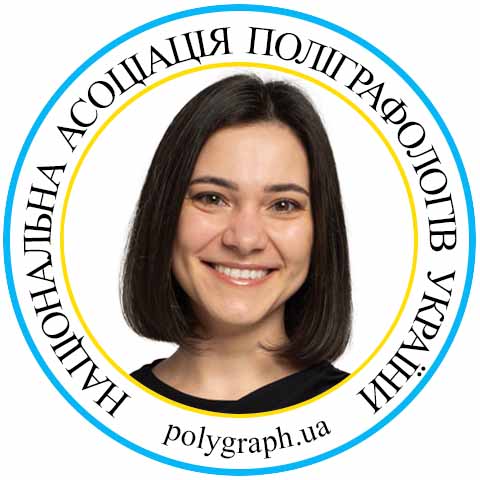
Povaliaieva Olha Ihorivna – an expert polygraph examiner and Head of the International Center of the National Association of Polygraph Examiners of Ukraine (NAPU). In 2025, she completed professional training with the American Polygraph Association (APA) and is a current APA member.
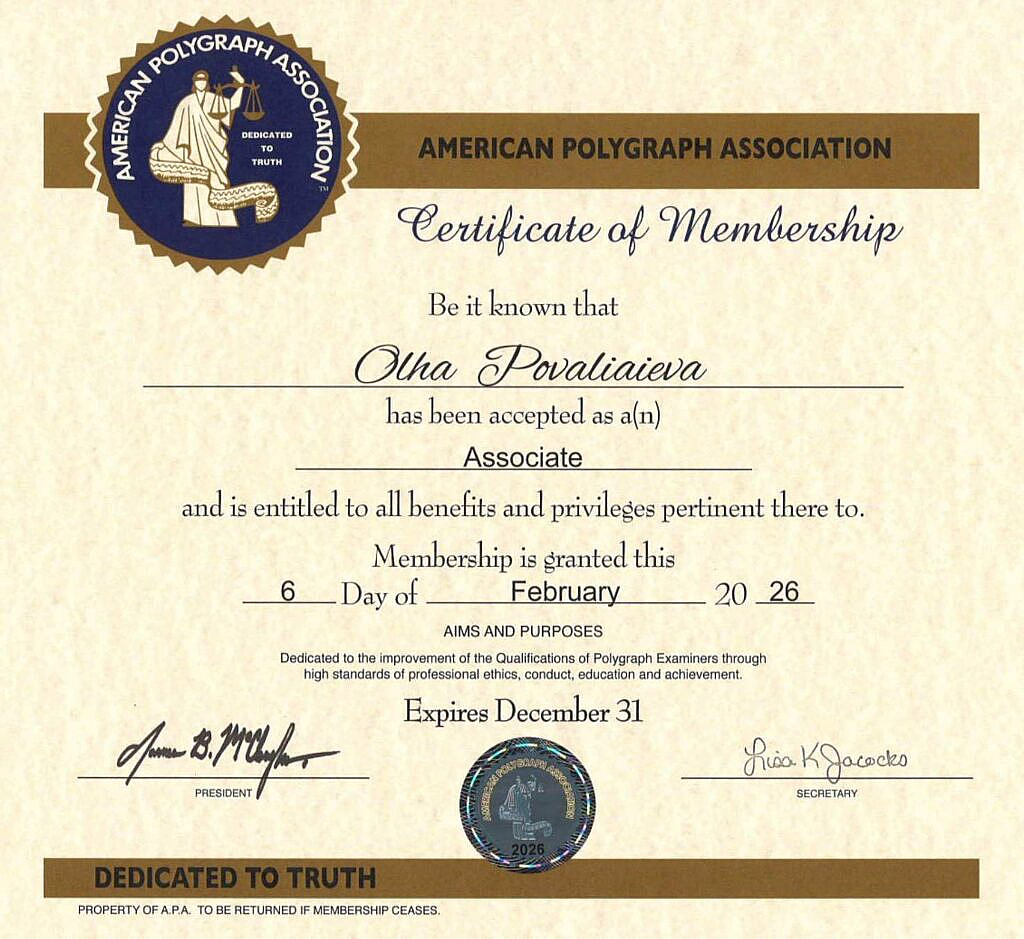
She teaches the following approaches and techniques:
- Diagnostic techniques for comparison questions – CQT (Comparison Question Technique), MGQT (Modified General Question Technique), AFMGQT (Air Force Modified General Question Test), Federal MGQT
- Zone tests: Event-Specific Zone Comparison Test, Federal You phase, MQTZCT (the Matte Quadri-Track Zone Comparison Test)
- Utah approach (up to 4 relevant questions): Utah Zone Comparison Technique, Utah Modified General Question Technique
- Investigative tests: CIT or GKT (Concealed Information Test or Guilty Knowlenge Test), DLT/DLST (Directed Lie Tests/Directed Lie Screening Test), RIT (Relevant/Irrelevant Questioning Technique)
- Cleve Backster’s techniques – You Phase, SKY (suspicious, knowledge, you), SKPY (suspicious, knowledge, participation, you)
- Empirical and numerological calculation of research results
- IRM (Interview Route Maps)
Reason №2 – education documents
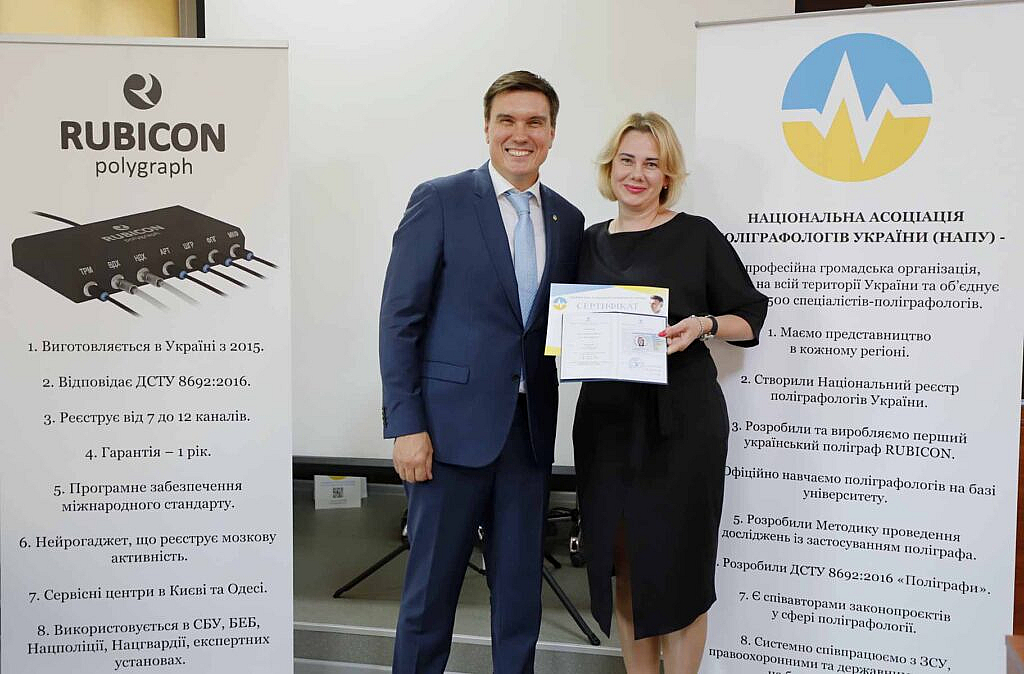
A university-issued certificate confirming completion of polygraph examiner training under an international-standard program, issued in 2 languages and accompanied by an official appendix.
This certificate is a state-recognised educational document issued by a higher education institution and is the only document officially recognised both in Ukraine and abroad. It is issued exclusively to participants who hold a higher education degree.
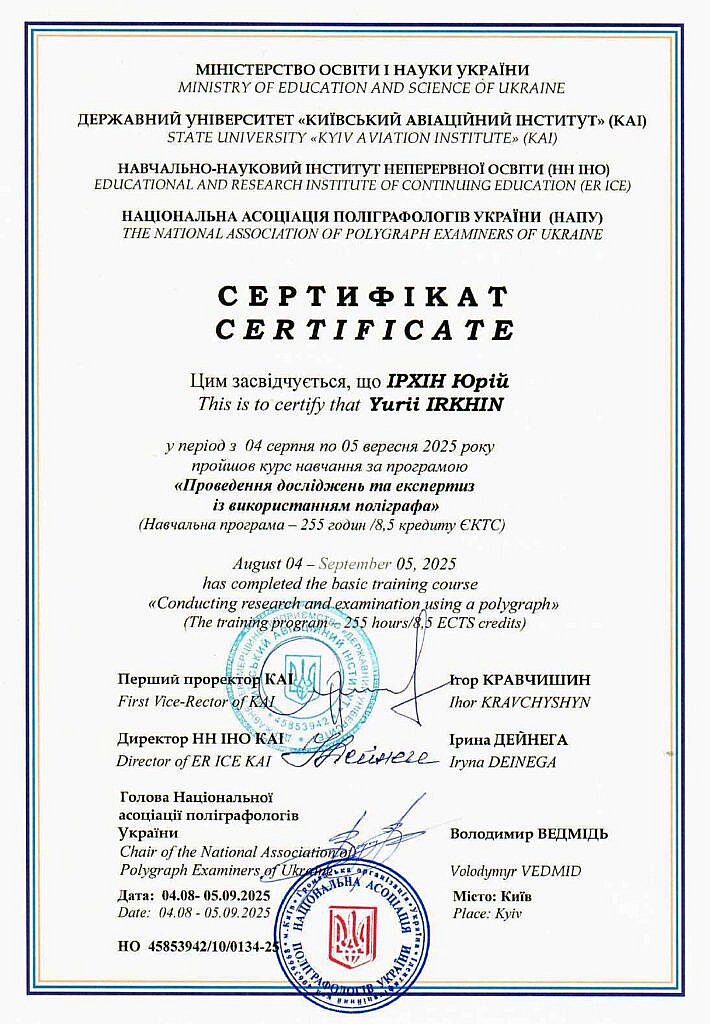
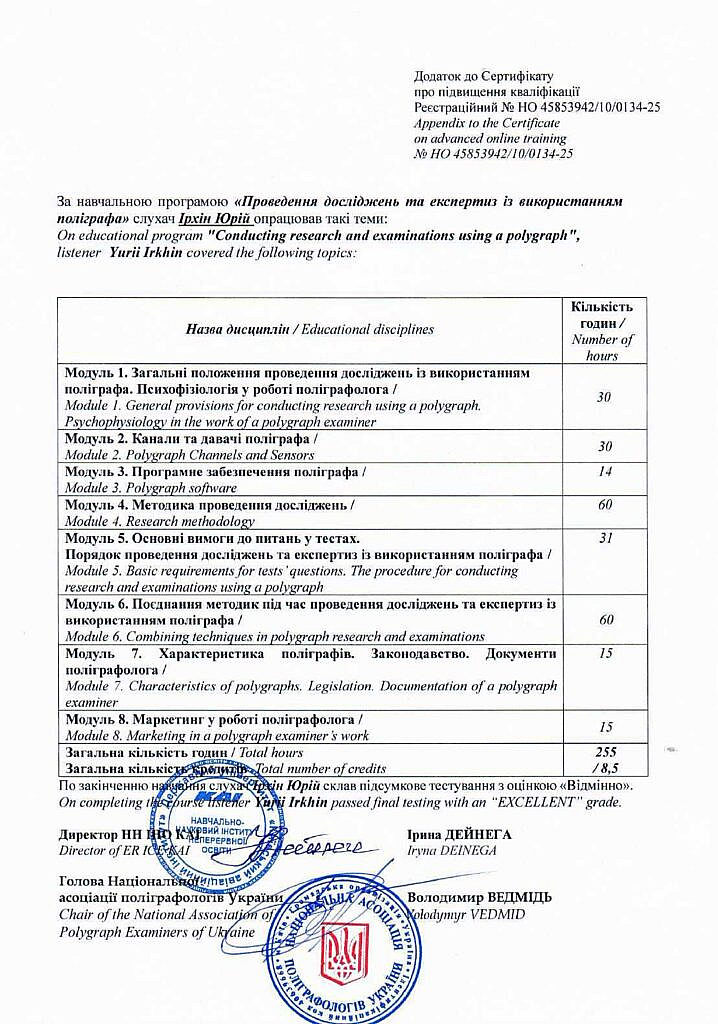
NAPU Certificate
The NAPU Certificate is officially issued by the National Association of Polygraph Examiners of Ukraine. It confirms completion of NAPU courses and acquisition of theoretical knowledge and practical skills in conducting polygraph examinations. This certificate is issued to participants who do not have a higher education degree.

3. Polygraph Examiner ID
The Polygraph Examiner ID is issued by the National Association of Polygraph Examiners of Ukraine (NAPU) to all graduates who voluntarily choose to become NAPU members.
The ID is valid for 3 years and is automatically renewed as long as NAPU membership is maintained. Membership in NAPU is free of charge — there are no entrance or membership fees.

Reason №3 — Inclusion in the NATIONAL REGISTER OF POLYGRAPH EXAMINERS OF UKRAINE
Only graduates of NAPU polygraph examiner courses are automatically included in the National Register of Polygraph Examiners of Ukraine.
Each graduate is provided with a free personal web page to support professional promotion and visibility.
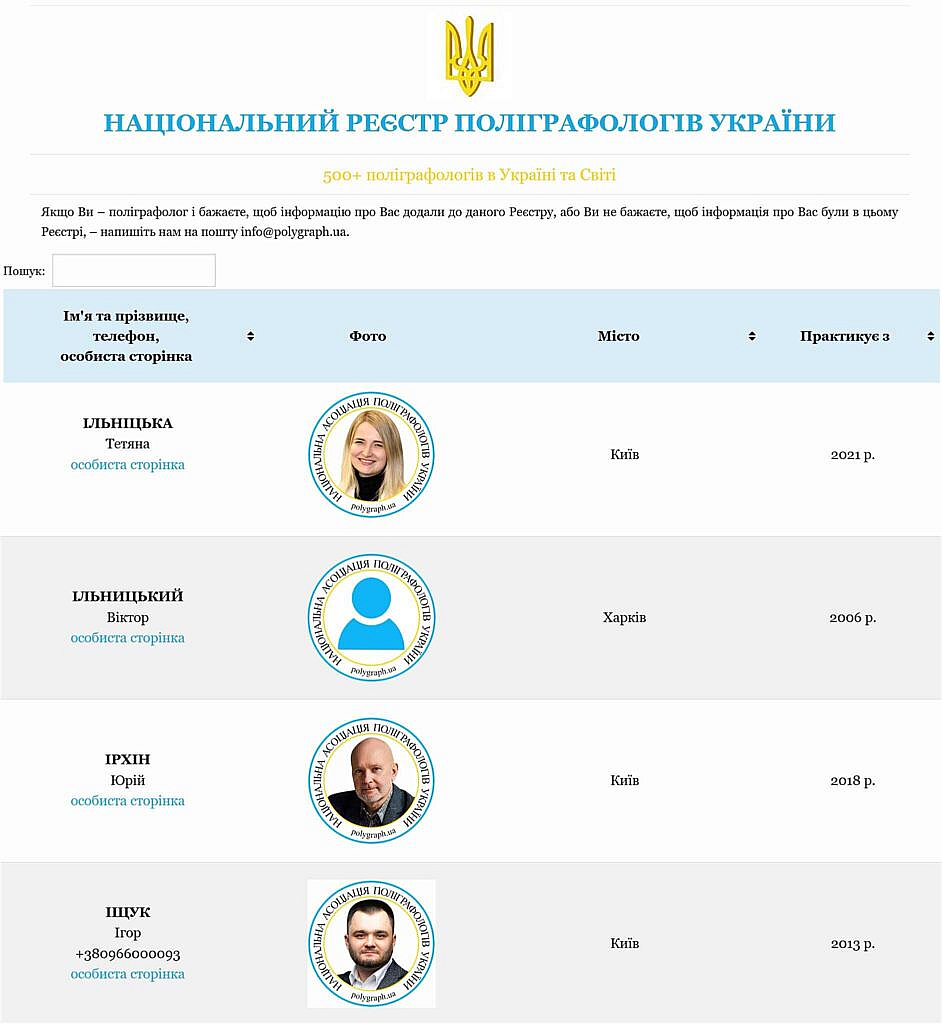
Reason №4 — Hands-on Training on 3 Polygraph Systems
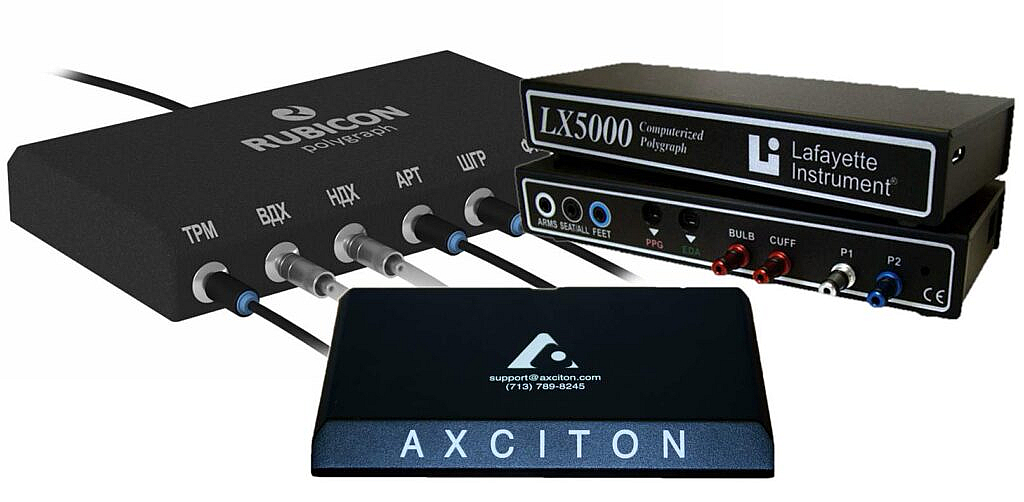
Our training program provides hands-on experience with 3 of the world’s leading polygraph systems: RUBICON, Lafayette, and Axciton.
Applicants gain practical skills working with each of these polygraphs and are free to choose the system they prefer to work with after completing the program.
Reason №5 – Training in multiple methodologies
Why is the combination of international and national methodologies critically important?
The real work of a polygraph examiner involves daily interaction with diverse individuals, situations, and legal environments. In this field, there are no templates or a single “universally correct” technique — regardless of what competitors may claim.
True professionalism begins with flexibility, critical thinking, and mastery of a comprehensive set of modern methodologies and tools. That is why high-quality polygraph training must be multi-method and practice-oriented, forming a competitive specialist capable of adapting to real-world challenges.
International companies will not employ polygraph examiners without knowledge of U.S. methodologies and ASTM standards . At the same time, government authorities, law enforcement agencies, and the Armed Forces of Ukraine do not cooperate with specialists who lack Ukrainian methodologies and national standards.
That is why NAPU deliberately integrates 3 core methodologies into its educational program:
- The USA comparison question techniques in accordance with ASTM standards;
- The Ukrainian Neutral and Verification Question Method;
- A modified Concealed Information Detection methodology based on the Peak of Tension Technique.
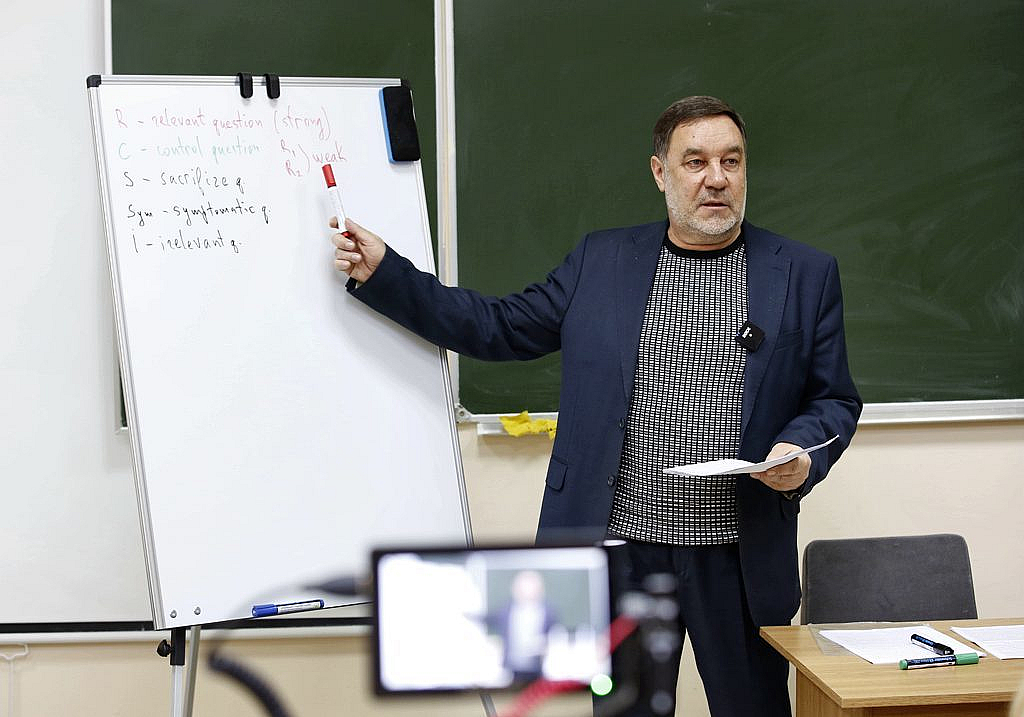
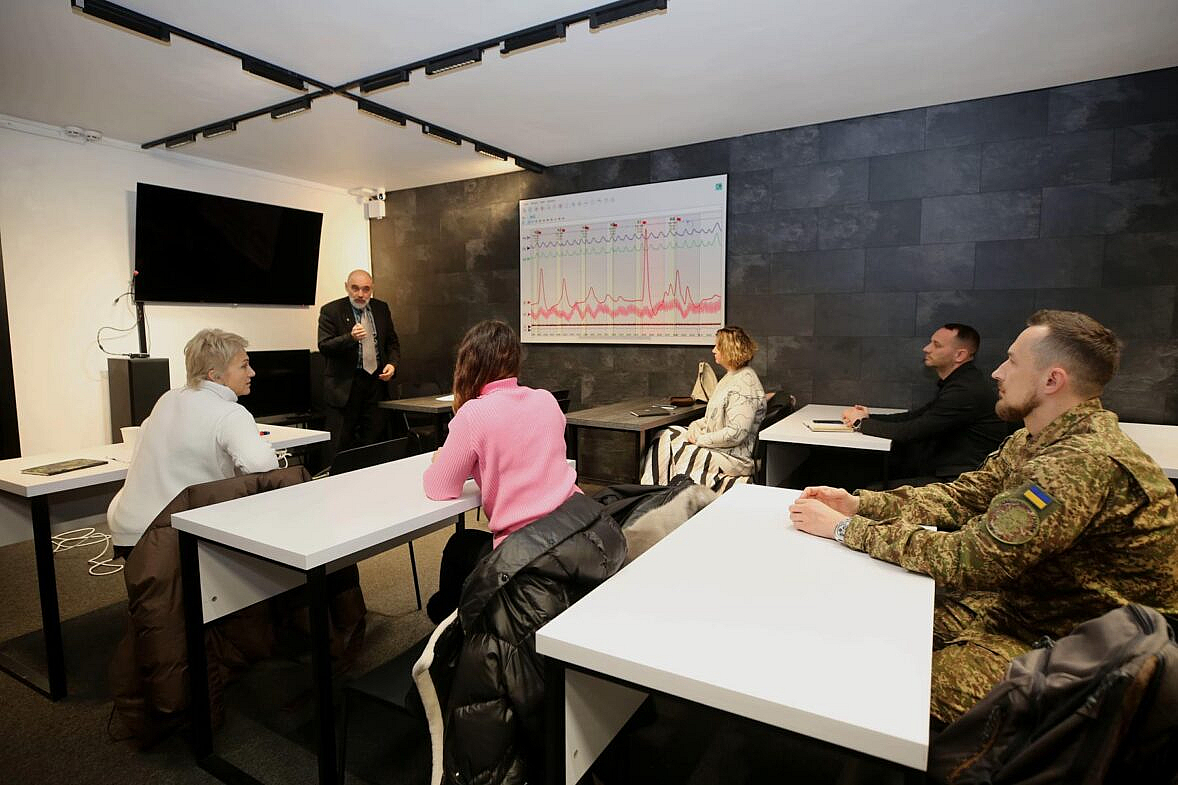
Professor Vadym Barko, Doctor of Sciences, delivers instruction in U.S. methodologies in accordance with ASTM standards
Reason №6 – Training in the fundamentals of profiling
NAPU is the only educational platform in Ukraine where polygraph examiners are trained not only in polygraph testing, but also in the fundamentals of professional profiling.
Profiling — is the process of collecting and analysing information about an individual in order to construct a psychological or behavioral profile, including for the purpose of verifying unreliable or deceptive information provided by that individual.

As part of the polygraph examiner training program, professional profiler Dmytro Popov, PhD in Psychology, provides foundational training in truth and deception detection, prediction of human behavior, and assessment of intentions based on the analysis of nonverbal signals, including facial expressions, gestures, speech intonation, posture, and other behavioral indicators.
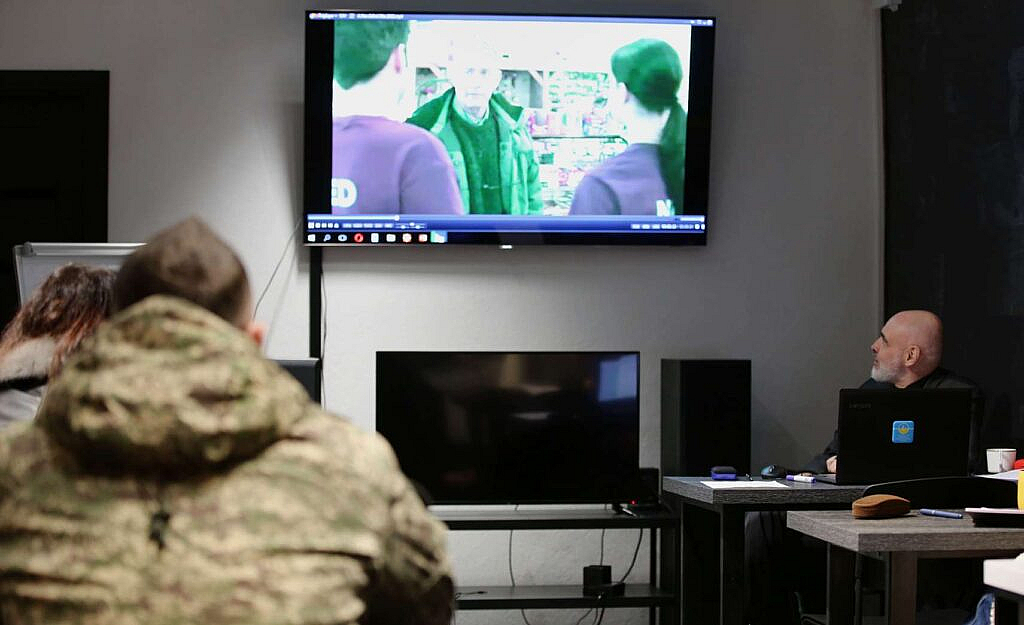
During the lectures, participants analyse video materials and learn to recognise emotional states and behavioral responses through facial expressions and microexpressions
NAPU courses shape a new generation of polygraph examiners — professionals who see not only charts and data, but also the person behind them.
Reason №7 – real-world practice after training
“Real-world practice means that students independently conduct polygraph examinations with real respondents under the supervision of experienced instructors.
All other polygraph training programs are limited to so-called “laboratory” practice — where participants test each other within a group. In such conditions, there is no real responsibility, psychological pressure, or authentic investigative environment. As a result, the examination becomes an imitation rather than true professional work.
NAPU fundamentally changes this approach. Thanks to the extensive practical base of NAPU’s central office, where dozens of real examinations are conducted daily, students complete their training by working with real respondents and conducting genuine examinations for actual clients. Under the supervision of instructors, students perform polygraph tests, gain hands-on professional experience, receive timely feedback and error correction, and benefit from ongoing expert support.
This is how NAPU forms not just course graduates, but confident polygraph examiners with real practical experience from the very start of their careers.
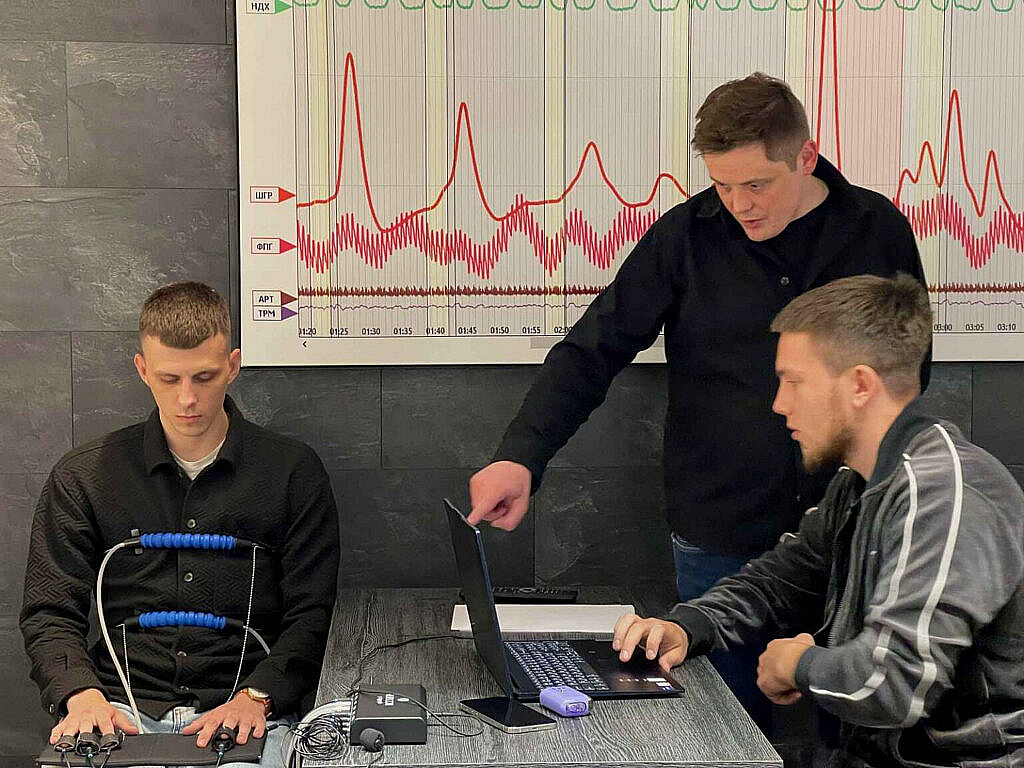
Yevhen Puchkov, the Head of the NAPU Training Center, supervises a real polygraph examination conducted by a student at the final stage of the course.
Why is this possible only at NAPU?
This practice is possible exclusively because the NAPU Training Center is located directly within the Association’s central office (Kyiv, Konovaltsya Street, 32-G), where 16 practicing polygraph examiners work daily in fully equipped individual offices.
No other institution in Ukraine has such extensive practical capabilities or can offer students the opportunity to conduct up to 20 real polygraph examinations during their training.
Are you interested in the profession of “polygraph examiner”?
Leave a request and learn more.
REQUIREMENTS FOR CANDIDATES
For applicants with higher education wishing to study through a university-based program:
- higher education at the first (Bachelor’s) or second (Specialist/Master’s) level;
- at least 3 years of professional work experience in any field;
- a high level of stress tolerance and professional communication skills;
- ability to make independent decisions, think critically, and resist external pressure;
- practical computer skills relevant to professional activities.
For applicants without higher education who wish to complete the course and obtain a NAPU Certificate:
- a high level of stress tolerance and professional communication skills;
- ability to make independent decisions, think critically, and withstand external pressure;
- practical computer skills relevant to professional activities;
- the training format is practice-oriented, focusing more on the results, rather than on formal educational services. Upon completion, participants acquire practical polygraph examination skills, receive a NAPU Certificate, and are entered into the National Register of Polygraph Examiners of Ukraine, which allows them to work in the private sector or conduct independent professional practice.
We also offer courses to foreign students and teach in English.
STUDYING FORMATS
1. GROUP TRAINING
Training is conducted in groups. Group enrollment takes place every 3 months. The number of participants in a group is up to 15 people.
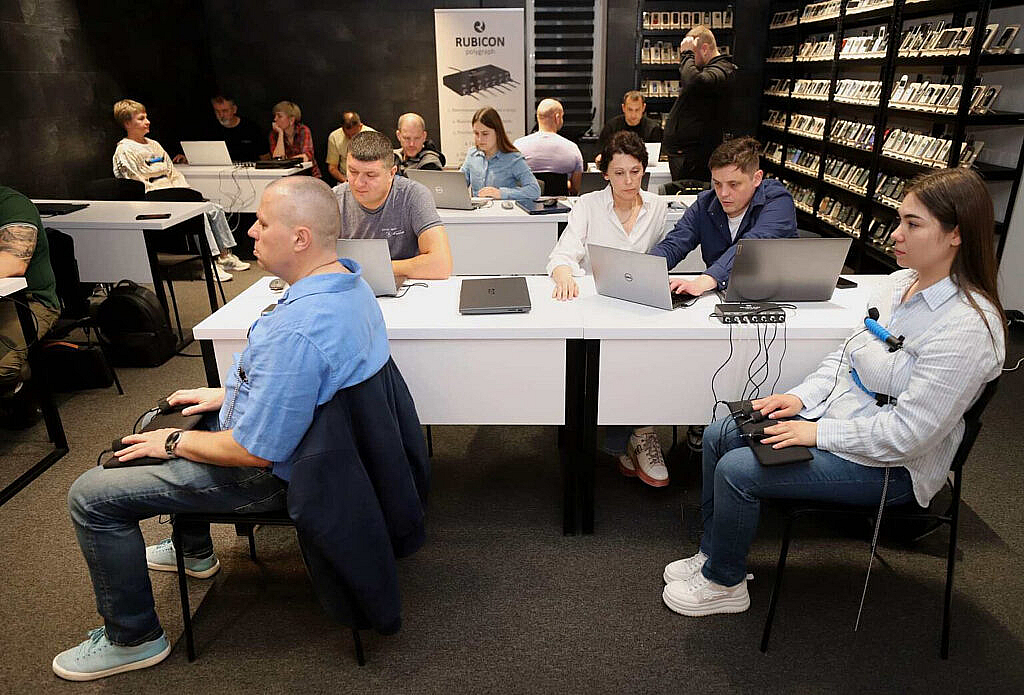
Group training for polygraph examiners consists of 3 consecutive stages:
1. Preparatory Stage
1 week before the start of the in-person training, all group participants receive introductory educational materials in digital format (video lectures, analytical articles).
These materials are designed to form a basic theoretical foundation necessary for a deeper and more effective mastery of the main in-person training program.
2. In-person training
Training is conducted on-site in a group, lasting 5 weeks, and includes:
-
lectures and practical sessions;
-
extensive homework assignments;
-
conducting training tests within the group.
After successfully passing the final exam, participants receive an official university-issued educational certificate and a polygraph examiner’s license. This entitles them to independently conduct official polygraph examinations, seek employment, or start their own professional practice.
Additionally, upon request, graduates may take advantage of a unique practical option — independently conducting real-life polygraph examinations for 1 week with real respondents under the supervision of instructors.
⚠️ No other school or training course in Ukraine offers a similar practical training format.
3. Mentoring support
After completing the training program, each graduate is assigned a personal mentor — an experienced polygraph examiner which:
-
assists with the analysis of polygraph examinations;
-
provides consultations and answers questions on a 24/7 basis;
-
advises on action algorithms in complex and non-standard situations;
-
ensures professional support during the early stages of the specialist’s career development.
The duration of the mentorship support is 6 months.
Format — takes place at the graduate’s place of residence.
2. INDIVIDUAL TRAINING
Training is conducted individually with each student in both online and offline formats.

The National Association of Polygraph Examiners of Ukraine offers individual training for those who seek to obtain a high-quality polygraph examiner education with maximum effectiveness. This format allows the program to be adapted to the specific student’s level of knowledge, ensures a flexible schedule, and enables a strong focus on practical work and real-life research.
One-on-one training with an instructor guarantees full personal attention, faster mastery of the material, and in-depth preparation for professional work with a polygraph. This format is especially relevant for law enforcement personnel, private practitioners, and individuals who value their time and aim for high professional results.
Advantages of Individual polygraph examiner training:
-
personalised approach. The program is adapted to the student’s knowledge level and learning pace.
-
maximum hands-on practice. More hours of working with the polygraph and real cases.
-
flexible schedule. The ability to study at a convenient time without being tied to a group.
-
direct contact with the instructor. Full attention is given to one student, increasing training efficiency.
-
confidentiality. Perfect for law enforcement agencies, security services, and private individuals.
Individual training at NAPU can begin at any time convenient for you, without waiting for a group to be formed.
The training schedule is agreed upon individually, taking into account your workload, lifestyle, and learning objectives. If necessary, classes may be held in the evening or in a blended (combined) format. This approach ensures maximum comfort, strong focus on the material, and personalised instructor support, significantly increasing the effectiveness of the training.
Detailed information about individual training in an offline format is available via the link.
DOCUMENTS REQUIRED FOR TRAINING
Before the training begins:
1. Candidates have to send the following documents by email ([email protected]) in e-format (jpeg or pdf):
- if available — a higher education diploma (the field of study is not relevant; both Bachelor’s and Master’s degrees are accepted);
- passport (pages 1-st and 2-nd;
- identification code;
- CV.
2. A decision on the contract conclusion will be made based on the review of the submitted documents and the candidate’s profile.
We sign official written agreements regarding the beginning of polygraph examiner training programs.
All payments are cashless.
During the training each applicant must have:
- the originals of the documents listed above;
- pens and/or pencils in different colours;
- a laptop.
Laptop requirements:
• OS Windows 10 or Windows 11 with all updates installed
• Intel Core i3 processor or higher
• graphics system with at least 32 MB of video memory
• at least 8 GB of RAM
• at least 256 GB of HDD or SSD storage
• administrator rights
• available USB 2.0/USB 3.0 ports
PLACE, TRAINING SCHEDULE, AND STUDENT ACCOMMODATION
PLACE OF STUDY
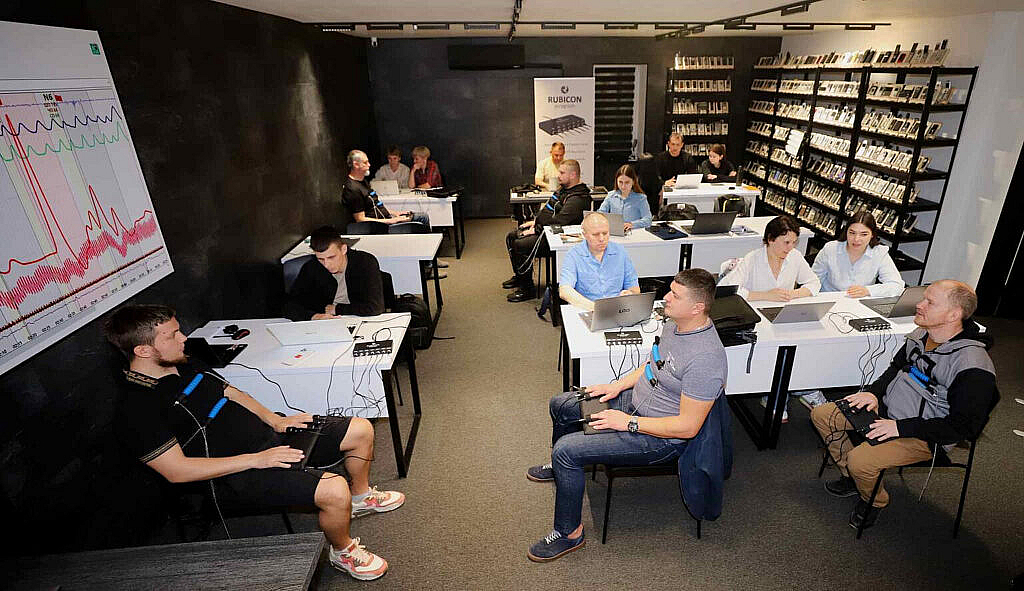
NAPU Training Center, Kyiv, Pecherskyi District, 32-G Yevhena Konovaltsya Street, 7 minutes walk from Pecherska or Palats Ukraina metro stations.
TRAINING SCHEDULE
Group training takes place daily from 9:00 a.m. to 3:00 p.m., from Monday to Saturday inclusive. Sunday is a day off. Homework assignments are given daily and require up to 2 hours to complete. During the training period, 2–3 days of absence are permitted.
Even if you are required to miss several days during group training — this will not be an obstacle. At NAPU, all training days from previous courses are recorded as professional video lectures, allowing participants to process the material independently and maintain the learning pace without losing the quality of training.
The individual training schedule is developed personally for each participant — taking into account their workload, priorities, and educational goals.
STUDENT ACCOMMODATION
We assist with the organisation of student accommodation; however, students cover the cost of their accommodation independently.
1 week prior to arrival in Kyiv, a group chat is created for students and instructors, where participants may coordinate shared apartment rentals. We can also assist in finding an apartment based on price–quality criteria.
In addition, we have an agreement with a university dormitory located at Frometivska 2a Street, Kyiv, which offers accommodation for our students at preferential rates.
Contact person: Svitlana Mykolaivna
Phone: +38 093 910 36 03 or +38 067 287 21 92
LEARNING RESULTS
Each course graduate
KNOWS:
- The history of the formation and development of special psychophysiological examinations using a polygraph (lie detector);
- The main stages of polygraph tests;
- The Neutral–Relevant Question Method;
- The Concealed Information Test (CIT);
- The Comparison Question Technique (CQT);
- Requirements for organising and conducting polygraph examinations;
- The fundamentals of visual and expert assessment and analysis of polygrams (recorded physiological responses), as well as the basics of diagnosing the examinee’s emotional state;
- Factors affecting the reliability of conclusions based on the results of polygraph examinations;
- The content of regulatory and legal acts applied in forensic examinations involving the use of a polygraph;
- The fundamentals of profiling, including the collection and analysis of information about an individual to create a psychological or behavioral profile.
- Informative indicators of physiological responses and the polygram scoring and evaluation system.
CAN:
- Organise professional activities based on the knowledge acquired;
- Assess the possibility of conducting a polygraph examination to address the issues presented;
- Select appropriate methods and techniques for conducting polygraph tests in accordance with the objectives and issues of the examination;
- Apply and combine 3 examination techniques during a single assessment: the Neutral–Relevant Question Technique (NRQT), the Concealed Information Test (CIT), and the Comparison Question Technique (CQT).
- Analywe verbal and non-verbal indicators of the examinee’s psychological and physiological activity during polygraph testing;
- Apply various polygraph testing methods in the course of investigations, internal inquiries, and personnel screening;
- Confidently operate equipment used for polygraph examinations and forensic assessments;
- Identify indicators of countermeasures or attempts to interfere with polygraph testing.
CAREER PROSPECTS AFTER THE COURSE. WHERE TO FIND A JOB?
The polygraph profession market in Ukraine is still actively forming; however, the demand for well-trained specialists already significantly exceeds the supply. As a result, NAPU graduates have real and fast-track employment opportunities.
After completing the course, you may choose 1 of 3 professional career paths:
1. Employment in government bodies, law enforcement agencies, or the Armed Forces of Ukraine.
In most ministries and law enforcement institutions, polygraph units have already been established or are actively being formed, both at the central and regional levels. Polygraph examinations are widely used in personnel selection and internal investigations, ensuring a stable and long-term demand for qualified specialists.
Currently, vacancies are available within the Armed Forces of Ukraine, the Security Service of Ukraine, the Prosecutor’s Office, the State Bureau of Investigation, and the Economic Security Bureau of Ukraine. Starting salary levels begin at UAH 50,000.
2. Employment in the private sector.
Banks, construction companies, agricultural holdings, retail chains, and payment systems are increasingly introducing polygraph examiner positions within their security departments. Their primary task is to protect businesses from fraud and internal risks.
Salaries start at UAH 45,000 and can exceed UAH 200,000 per month. This is not an assumption — these figures are based on real feedback from our graduates.
3. Private practice.
You can work independently by building your own client base. Income in this format typically ranges from USD 1,000 to 3,000 per month and depends on your level of professionalism and a well-chosen marketing strategy. NAPU supports graduates at every stage — from business registration and choosing the optimal legal structure to the full legal setup of private practice.
We would like to emphasise that NAPU actively assists with employment for graduates who demonstrate a high level of knowledge, responsibility, and strong practical skills during their studies.
Studying at NAPU is more than just a course. It is a real start to a professional career in a field where demand significantly exceeds supply.


COST AND START OF TRAINING
The nearest Polygraph Examiner Course (on-site stage) will start in Kyiv on May 18 and will run until June 20 2026.
After completing the main stage, graduates may optionally spend 1 extra week (22-27 June 2026) conducting real polygraph examinations at the NAPU central office, under the supervision of practicing polygraph examiners. The preparatory stage begins 1 week prior to the main course.
Folloving Polygraph Examiner Course: August-September 2026.
The cost of the full group training program for Polygraph Examiner certification (3 stages) is USD 2,000.
The cost of the full individual training program for Polygraph Examiner certification (3 stages) is USD 5,000.
Payment is accepted by bank transfer only. An agreement is concluded with each participant. Payment is made in Ukrainian UAH, calculated at the PrivatBank USD selling exchange rate).
DISCOUNTS ON TRAINING:
- 10% – for companies enrolling 2 or more participants;
- 20% – for active and former military personnel and law enforcement officers;
- 50% – for military personnel who sustained a disability, lost a limb, or were held in captivity during war.
!!! Important
If you have already paid in advance or started on-site training, but unforeseen circumstances arise — don’t worry. We guarantee that you will be able to continue your studies with the next group or switch to a remote format without any financial loss.
APPLICATION FOR TRAINING
TO APPLY FOR TRAINING OR RECEIVE A CONSULTATION, PLEASE CONTACT:
+38 096 966 9000 | Volodymyr Vedmid, Chairman of NAPU
You may also submit your application by email: [email protected].
Groups are formed in the order of received applications.
1 HOUR WITH A POLYGRAPH EXAMINER FREE OF CHARGE
If you still hesitate and would like to see with your own eyes how a polygraph examiner works and determine whether this profession is right for you – we invite you to visit the office of the National Association of Polygraph Examiners of Ukraine (Kyiv, 32G Yevhena Konovaltsya Street), where you can personally see our Training Center, get a free 1 hour of consultations with a polygraph examiner and observe a real polygraph test. You will see how the test is organised and gain a clear understanding of what to expect in the future profession.
VIDEO ABOUT TRAINING
We strongly advise watching all 3 videos in full — it will give you a clear understanding of the training!
The Head of NAPU Volodymyr Vedmid and lecturers talk in details about the courses of polygraph examiners of NAPU:
Video about polygraph courses:
Video about the NAPU polygraph courses held in February 2025:
Are you interested in the profession of “polygraph examiner”?
Leave a request and learn more.
UNIVERSITY PROGRAM OF THE POLYGRAPH TRAINING COURSE
-
Day 1. General provisions
- introductory conversation
- preparation of documents, issuing of contracts
- deontology of a polygraph examiner
- the history of the origins and development of instrumental lie detection
- basics of psychophysiology
-
Day 2. Psychophysiology
- central nervous system (brain structure, neuronal activity)
- conscious and unconscious processes (interglobal asymmetry)
- mental processes (perception, memory, attention, emotions, attitudes, adaptation)
- integration of mental processes (meaningfulness, meaning)
- correlation of mental and physiological processes
-
Day 3. Registration channels
- classification of registration channels
- levels of reliability of indicators
- upper and lower breathing
-
Day 4. Registration channel of electrodermal activity
- galvanic skin reaction (EDA)
- skin resistance
- informative signs for each of the channels
-
Day 5. Registration channels of cardiovascular activity
- photoplethysmogram (PLE)
- piezoplethysmogram (PPG)
- blood pressure (BP)
-
Day 6. Polygraph software and sensors
- installation and debugging of software
- features of the software
- sensor’ installing
-
Day 7. Methodology for detecting concealed information
- history of the methodology
- comparison of the method of detecting concealed information and the method of finding the peak of tension
- specifics of conducting pre-test and inter-test conversations using the method of detecting concealed information
-
Day 8. Methodology for detecting concealed information
- the introductory part in questionnaires created using the method of detecting concealed information
- types of tests and questions of the method of detecting concealed information
- peculiarities of making questions using the method of detecting concealed information
- practical work with a polygraph and software
-
Day 9. Methodology for detecting concealed information
- test on knowledge of an unknown solution
- test for knowledge of a known solution
- versions’ check test
- the «absolutely known» test
- practical work with a polygraph and software
-
Day 10. Methodology for detecting concealed information
- practical examples of the use of the test during official investigations
- practical examples of the use of the test during the
- review of practical errors in the use of the test
- practical work with a polygraph and software
-
Day 11. Methodology of neutral and relevant questions (MNRQ)
- history of the methodology
- the relevance of the practical application of the methodology during screenings/investigations/research on private issues
- theoretical principles of use MNRQ in the practical activity of a polygraph examiner
- fundamentals of the MNRQ, the connection with basic mental processes
- practical work with a polygraph and software
-
Day 12. Basics of MNRQ, requirements for questions, principles of a block formation
- types of questions used in the MNRQ
- question structure
- basic requirements for questions
- basics of building blocks of questions in the MNRQ as a structural part of the test
- practical work with a polygraph and software
-
Day 13. Comparison of polygraphs of different manufacturers, legal bases
- analysis of legislation in the field of conducting research using a polygraph
- polygraph examiner’s documents: voluntary consent and conclusion
- demonstration of the work of polygraphs “RUBICON”, “Lafayette”, “AXCITON”
- practical work with a polygraph and software
-
Day 14. Basics of a strategic approach to conducting research using a polygraph
- basics of the research strategy using a polygraph (adaptation, tension, peak tension, fatigue)
- peculiarities of making tests of the adaptation stage
- peculiarities of making tests of the stress stage, stress peak, fatigue
- practical work: formation of a questionnaire for conducting research using a polygraph
- practical work with a polygraph and software
-
Day 15. Writing tests by plot, questions/answers on the method of detecting concealed information, and profiling presentation
- providing 3-4 plots (investigation, screening, marital fidelity) and writing tests in the audience for them
collective analysis of tests - collective analysis of tests
- FAQ about the method of detecting concealed information
- providing 3-4 plots (investigation, screening, marital fidelity) and writing tests in the audience for them
-
Day 16. Basics of combining MNRQ and MDCI in the practical activity of a polygraph examiner
- the main principles of using the MDCI in combination with the MNRQ in the practical activities of a polygraph examiner
- practical basics of combining MNRQ and MDCI in a test as a structural unit of a questionnaire for conducting research using a polygraph
- practical work: formation of tests
-
Day 17. Writing tests with a combination of techniques
- plot review
- writing tests by plot
- analysis of student’s tests
- practical work with a polygraph
-
Day 18. Day 17. Writing tests combining techniques
- plot review
- writing tests by plot
- analysis of student’s tests
- practical work with a polygraph
-
Day 19. Practical work on the organisation of research using a polygraph in the screening category
- basics of the approach to processing requests for research using a polygraph in the screening category
- practical formation of a request for research using a polygraph in the screening category
- practical work on the formation of a test questionnaire for conducting research using a polygraph in the screening category
- polygraph examiners take students to tests
-
Day 20. Practical work on the organisation of research using a polygraph in the category of investigation/private issues
- basics of the approach to processing requests for research using a polygraph in the category of investigation/private issues
- practical formation of a request for research using a polygraph in the category of investigation/private issues
- practical work on the formation of a test questionnaire for conducting research using a polygraph in the category of investigation/private issues
-
Day 21. Writing tests combining techniques
- plot review
- writing tests by plot
- analysis of student tests
- practical work with a polygraph
-
Day 22. Writing tests combining techniques
- plot review
- writing tests by plot
- analysis of student tests
- practical work with a polygraph
-
Day 23. Marketing in the work of a polygraph examiner, consideration of complex cases
- organisation of the business activities of a polygraph examiner
- optimal service sales channels
- marketing steps and tips
- consideration of complex cases in the work of a polygraph examiner
-
Day 24. Comparison questions technique
- american methodology. Introduction. History
- comparison issues: essence and goals
- an overview of the main tests used in research using the US methods
- comparison of the US and the European methods
- the method of scoring research results according to the US methods
-
Day 25. Comparison questions technique
- Cleve Backster. Backster’s comparison question
- Backster’s zone comparison test
- Federal zone comparison test (FZCT) + Air Force genetal questions test (AFGQT)
- You Phase test
- Suspicion Knowlenge You test
-
Day 26. Comparison questions technique
- John Reid. Reid comparison question.
- comparison of Reid and Bakster
- Reid questionnaire
- James Matte metodology
- “Suspicion-Knowledge-Guilt” by Matte (SKG)
- Matte “Quadri-Track Zone Comparison Technique” (MQTZCT)
-
Day 27. Comparison question technique
- integrated zone comparison technique (IZCT)
- direct lie screening test (DLST)
- law-enforcement pre-employement test (LEPET)
- test espionage and sabotage (TES)
-
Day 28. Utah approach
- Utah approach to the zone comparison test
- features of pre-test conversation in the Utah approach
- tests: single-issue, multiple issue and multi-facet tests
- modified general question technique
-
Day 29. Conducting an exam on practical skills
- checking the practical skills of students in working with software and polygraphs
- “Mafia” game
- analysis of game results
-
Day 30. Conducting the final comprehensive exam, graduation
- exam on the theory of conducting research engaging a polygraph
- passing tests by each student according to a certain plot
- checking results
- presentation of study certificates from the university
-
Day 31. Practice — running "combat" tests
- conducting real life-tests in the central office of NAPU with real respondents by graduates – brand new polygraph examiners
- real time observation with a teacher of conducting tests by the new polygraph examiners and their classmates
- discussion of conducted research, search for errors and their correction
-
Day 32. Practice — running "combat" tests
- conducting real life-tests in the central office of NAPU with real respondents by graduates – brand new polygraph examiners
- real time observation with a teacher of conducting tests by the new polygraph examiners and their classmates
- discussion of conducted research, search for errors and their correction
-
Day 33. Practice — running "combat" tests
- conducting real life-tests in the central office of NAPU with real respondents by graduates – brand new polygraph examiners
- real time observation with a teacher of conducting tests by the new polygraph examiners and their classmates
- discussion of conducted research, search for errors and their correction
-
Day 34. Practice — running "combat" tests
- conducting real life-tests in the central office of NAPU with real respondents by graduates – brand new polygraph examiners
- real time observation with a teacher of conducting tests by the new polygraph examiners and their classmates
- discussion of conducted research, search for errors and their correction
-
Day 35. Practice — running "combat" tests
- conducting real life-tests in the central office of NAPU with real respondents by graduates – brand new polygraph examiners
- real time observation with a teacher of conducting tests by the new polygraph examiners and their classmates
- discussion of conducted research, search for errors and their correction
-
Day 36. Practice — running "combat" tests
- conducting real life-tests in the central office of NAPU with real respondents by graduates – brand new polygraph examiners
- real time observation with a teacher of conducting tests by the new polygraph examiners and their classmates
- discussion of conducted research, search for errors and their correction
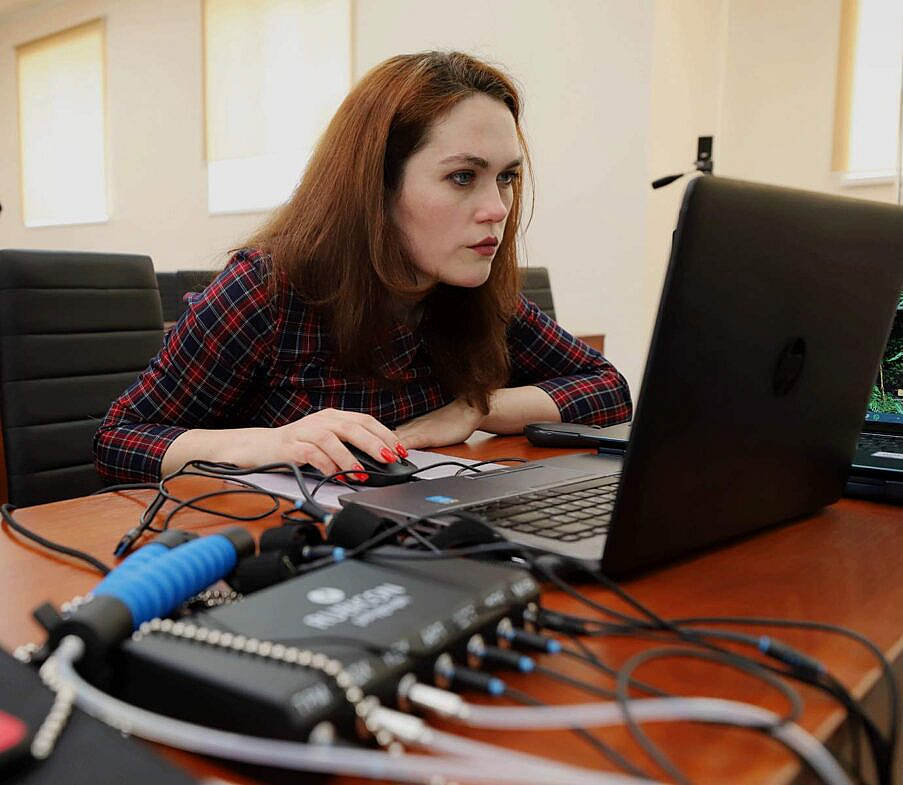
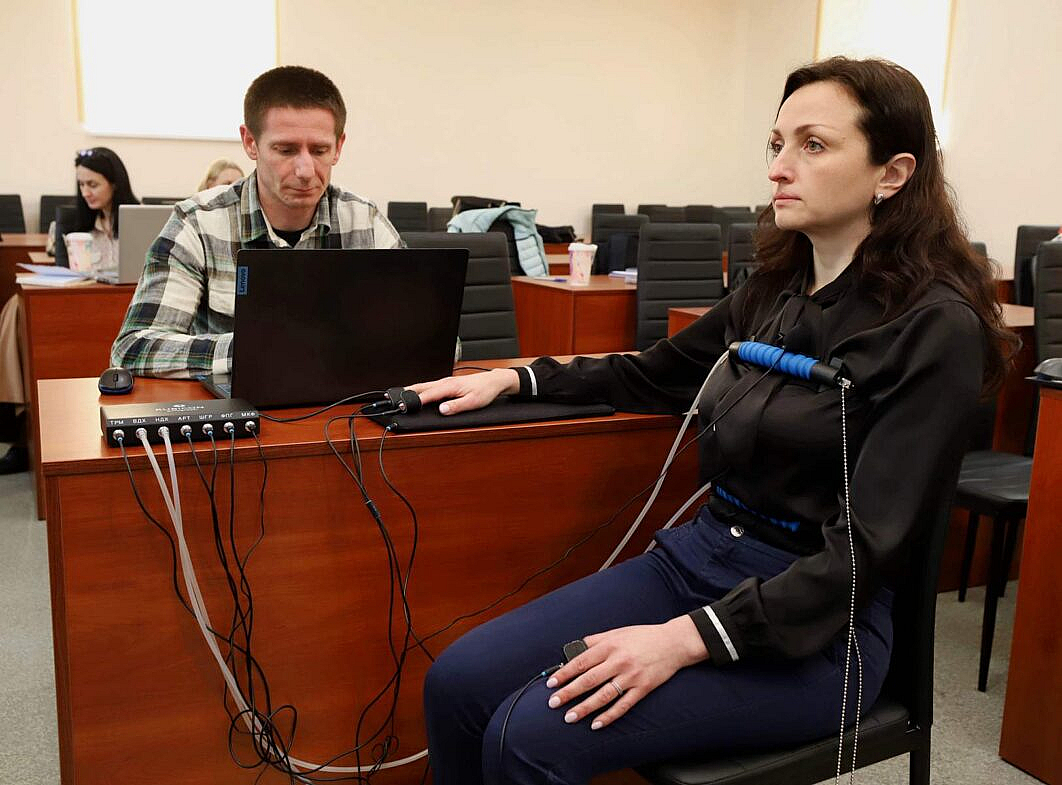
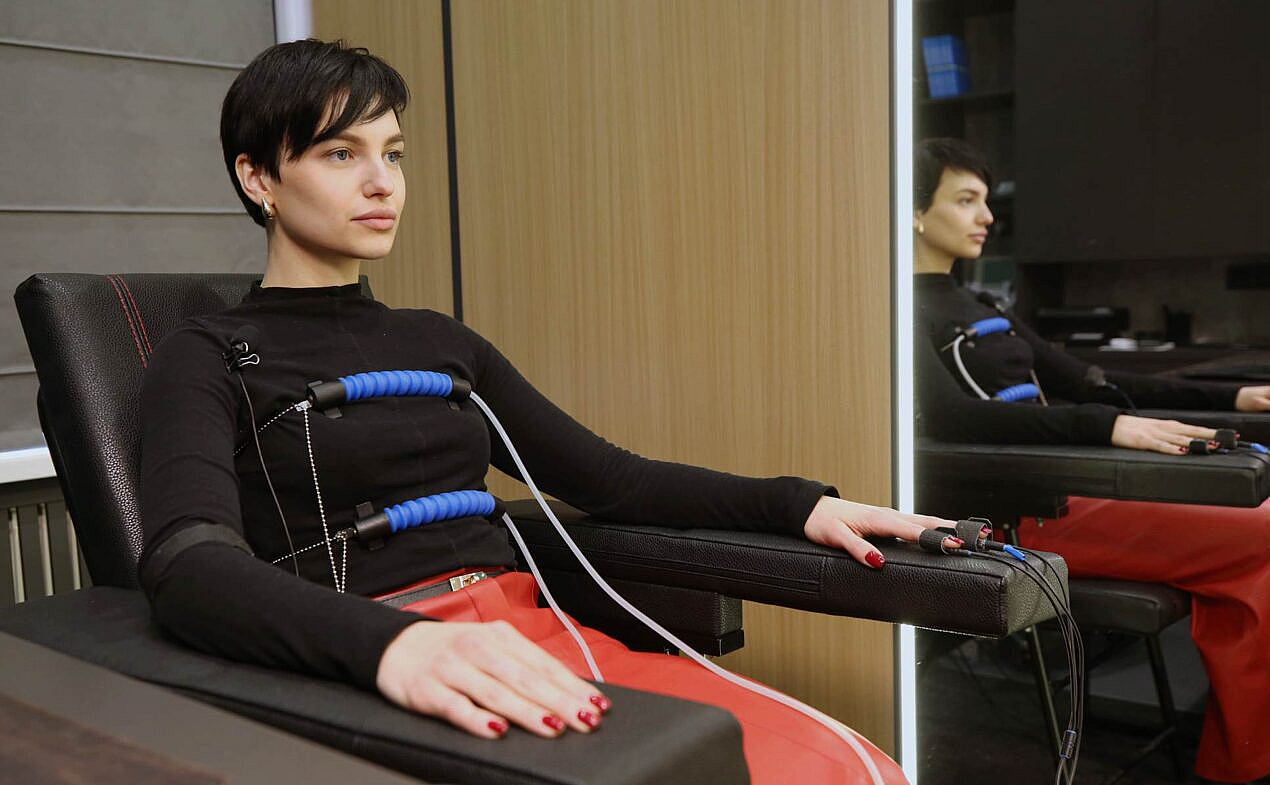
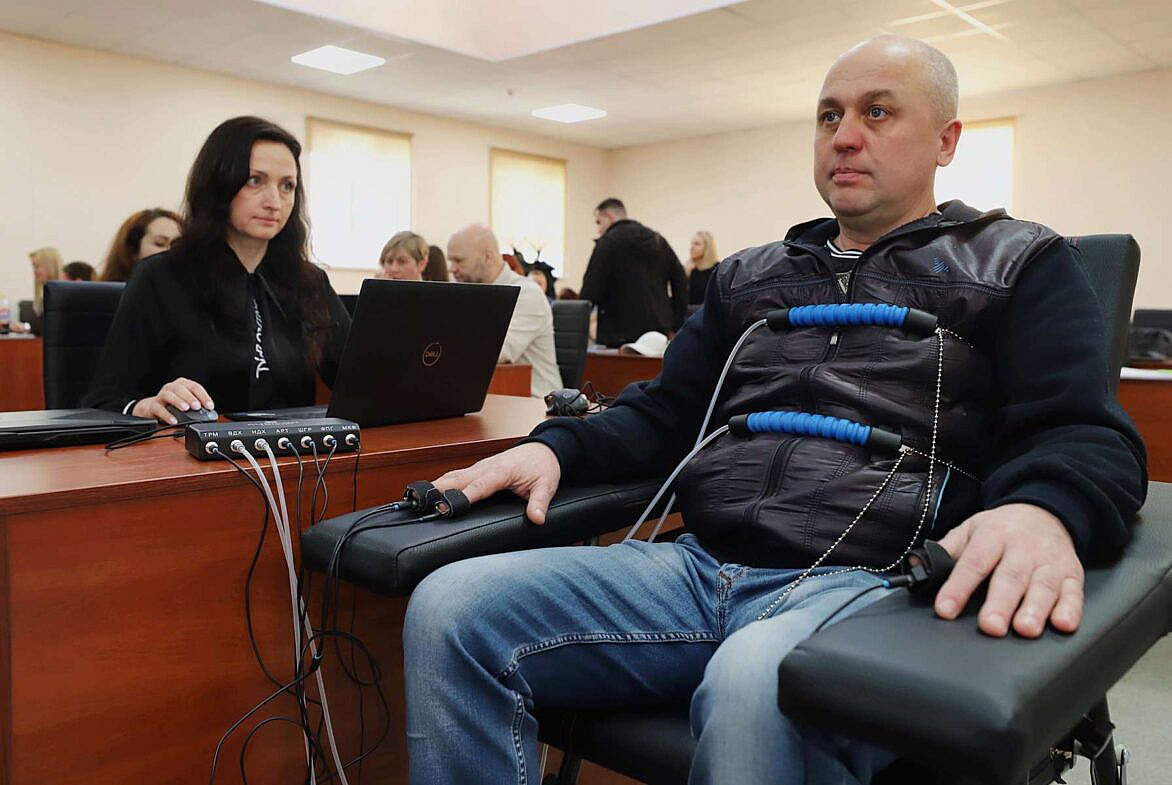
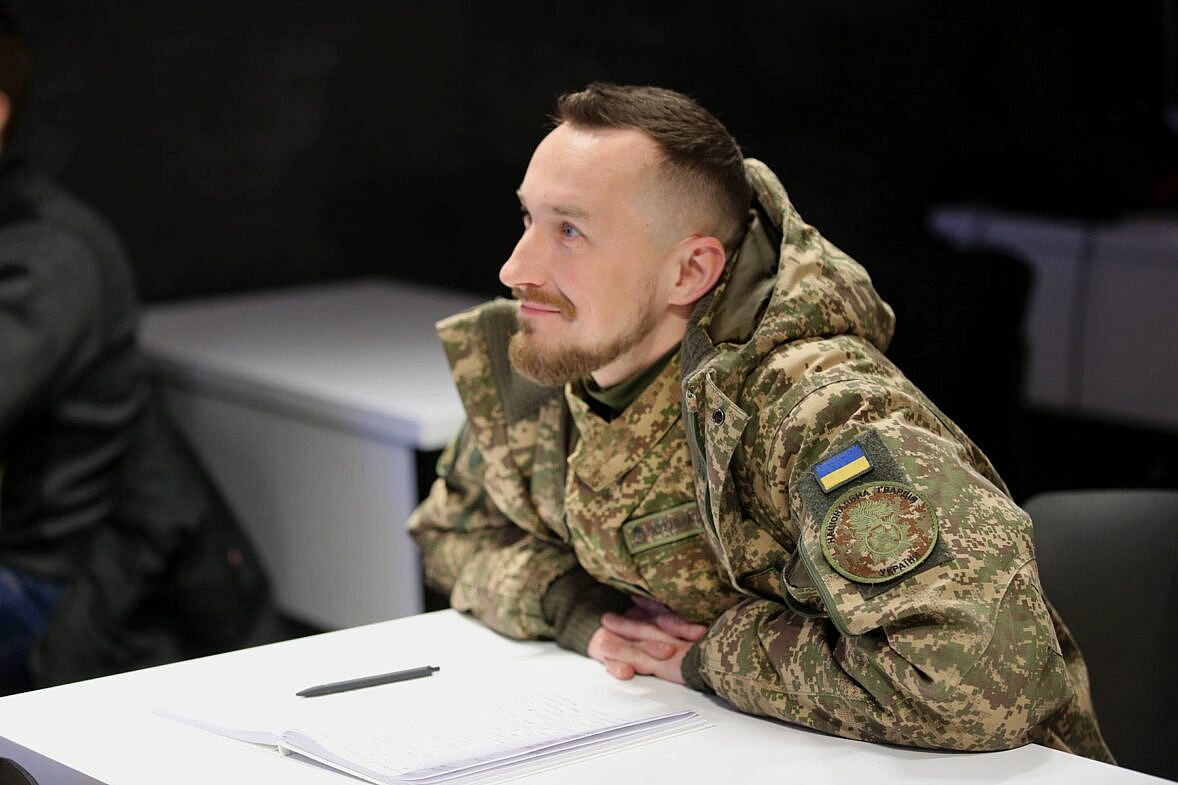
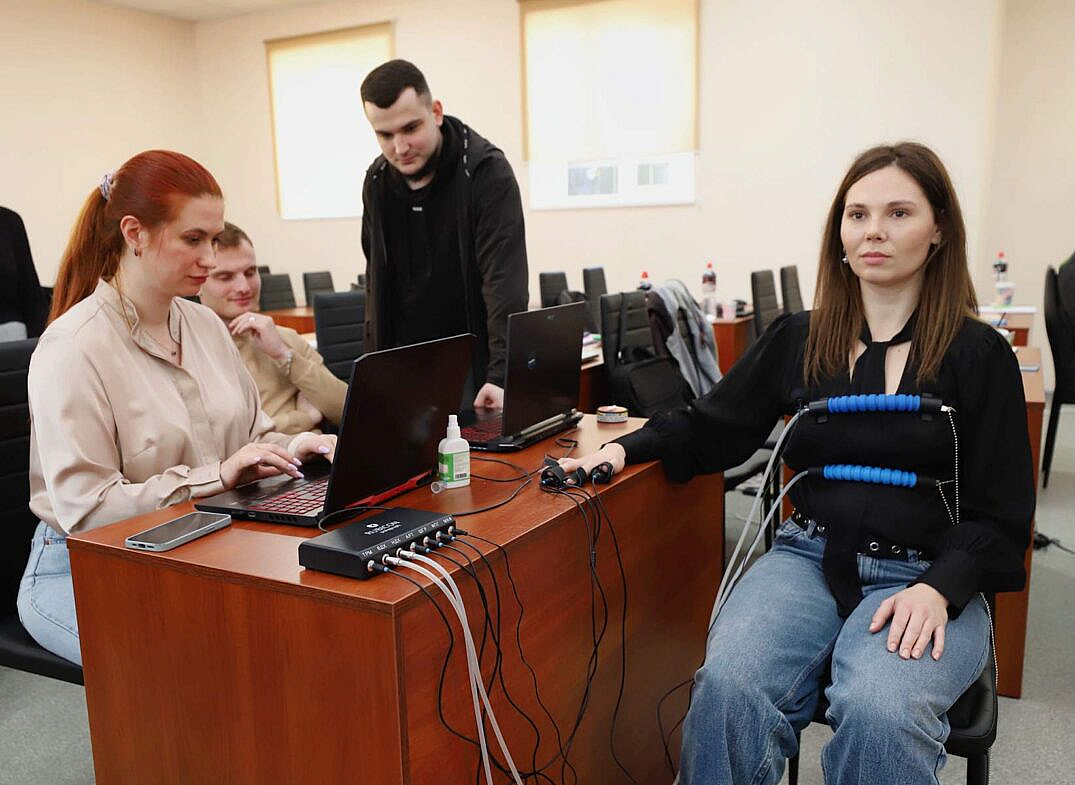
PHOTO FROM COURSES OF POLYGRAPH EXAMINERS OF NAPU:








Are you interested in the profession of “polygraph examiner”?
Leave a request and learn more.
The National Association of Polygraph Examiners of Ukraine accepts candidates from Kyiv, Kharkiv, Odesa, Dnipro, Chernihiv, Poltava, Cherkasy, Chernivtsi, Kropyvnytskyi, Mykolaiv, Kherson, Melitopol, Kryvyi Rih, Zaporizhzhia, Sumy, Zhytomyr, Lviv, Rivne, Uzhhorod, Khmelnytskyi, and other cities of Ukraine.
The entrepreneurial services described on this page are provided by individual entrepreneurs.